
Japanese watering timer smart technology is rapidly evolving, offering sophisticated solutions for precise and efficient irrigation. From advanced features to user-friendly interfaces, these devices are reshaping how Japanese gardeners manage their landscapes. This comprehensive overview explores the key aspects, including technological advancements, user experience, and market trends, highlighting the unique characteristics of these smart watering systems in the Japanese context.
The report delves into the intricacies of Japanese smart watering timers, examining their integration with weather patterns, soil conditions, and smart home ecosystems. It also scrutinizes the pricing strategies, maintenance, security, and future projections for this burgeoning market sector.
Overview of Smart Watering Timers in Japan
Smart watering timers are gaining traction in Japan, driven by a growing awareness of water conservation and the desire for more efficient gardening practices. The market is evolving from basic timers to sophisticated systems capable of adapting to local weather patterns and specific plant needs. This evolution reflects a broader trend towards technological integration in Japanese homes and gardens.The adoption of smart watering timers is being further fueled by the nation’s aging population and increasing urbanization, leading to smaller garden spaces and more time-constrained lifestyles.
These factors contribute to a demand for automated systems that can effectively manage watering schedules, thereby reducing manual effort and ensuring optimal plant health.
Market Trends for Smart Watering Timers in Japan
Japanese consumers are increasingly seeking smart solutions for gardening that seamlessly integrate with their existing home automation systems. The growing popularity of connected devices and a preference for user-friendly interfaces are driving this trend. Furthermore, a focus on environmental sustainability and water conservation is influencing consumer choices, with smart timers offering a practical way to optimize water usage.
Key Features and Functionalities of Popular Smart Watering Timers
Popular smart watering timers in Japan often feature real-time weather data integration. This allows for adjustments to watering schedules based on factors such as rainfall, humidity, and temperature. Many models also incorporate soil moisture sensors, enabling the timer to automatically adjust watering based on the actual moisture level of the soil. Furthermore, some timers offer compatibility with voice assistants, allowing users to control watering schedules using voice commands.
Advanced models often feature plant-specific watering profiles, catering to different plant types and needs.
User Needs and Preferences for Smart Watering Timers
Japanese consumers prioritize ease of use and intuitive interfaces when selecting smart watering timers. The emphasis is on user-friendly operation and straightforward integration with existing home automation systems. Accuracy in watering schedules, minimizing water waste, and ensuring optimal plant health are also significant factors influencing purchase decisions. The need for a timer that effectively handles various types of plants within a home garden is a key consideration.
Types of Smart Watering Timers Available in Japan
- Indoor Smart Watering Timers: These timers are designed for indoor plants and are often compact and aesthetically pleasing. They may incorporate features such as automatic light adjustments to simulate natural sunlight for better plant growth, particularly useful for urban dwellers with limited access to natural light.
- Outdoor Smart Watering Timers: These timers are designed for outdoor use and often feature robust construction to withstand the elements. Key features include weather-resistant designs, compatibility with larger garden spaces, and advanced scheduling options to handle diverse plant needs in outdoor environments.
- Smart Watering Timers for Specific Plant Types: Some timers offer plant-specific watering profiles, taking into account the unique needs of various types of flowers, vegetables, and other plants. These specialized profiles ensure optimal growth by providing tailored watering schedules based on each plant’s requirements.
Technological Advancements in Japanese Smart Watering Timers
Japanese smart watering timers are evolving beyond basic scheduling, integrating sophisticated technologies to optimize water usage and enhance efficiency. This innovation reflects a broader trend in the region towards smart home solutions and a growing awareness of water conservation. The advancements are not just incremental improvements but represent a significant shift in how homeowners manage their outdoor landscapes.Japanese manufacturers are incorporating a range of features to distinguish their products, including enhanced weather sensing, real-time soil moisture monitoring, and integrated data analysis tools.
These features go beyond the basic functions of other regional smart watering timers, focusing on precision and sustainability.
Weather Sensing and Adaptive Watering
Japanese smart watering timers are increasingly equipped with advanced weather sensors. These sensors can monitor real-time weather conditions, including rainfall forecasts, humidity, and temperature fluctuations. The timers can then adjust watering schedules dynamically, preventing unnecessary watering during rain and optimizing watering during dry periods. This feature contrasts with timers in other regions that may lack this adaptive function, relying on pre-set schedules less responsive to real-time weather.
Real-time Soil Moisture Monitoring
These systems are now incorporating sensors that directly measure the moisture content of the soil. This allows for a more precise determination of watering needs, avoiding overwatering and optimizing water usage. This differs from systems in other regions that primarily rely on user input or basic weather data. The ability to monitor soil moisture allows for highly targeted irrigation, saving water and preventing potential damage to plants.
Integration with Other Smart Home Systems
The integration of smart watering timers with other smart home systems in Japan is a key differentiator. Many models seamlessly connect to popular platforms like Amazon Alexa or Google Assistant, enabling voice control and automation. This level of integration goes beyond basic controls, allowing for complex scheduling and control of other home systems based on weather conditions or plant needs.
This level of integration is not as prevalent in smart watering timers elsewhere, reflecting a stronger emphasis on comprehensive smart home ecosystems in Japan.
AI and Machine Learning for Predictive Watering
Some Japanese smart watering timers leverage AI and machine learning to create predictive watering models. By analyzing historical weather data, soil moisture levels, and plant types, these systems can forecast future watering needs with greater accuracy. This predictive capability is a key advancement, enabling the timer to optimize water usage over the long term. While some timers in other regions incorporate basic machine learning, the level of sophistication and integration found in Japanese products often surpasses that of their global counterparts.
User Experience and Interface Design
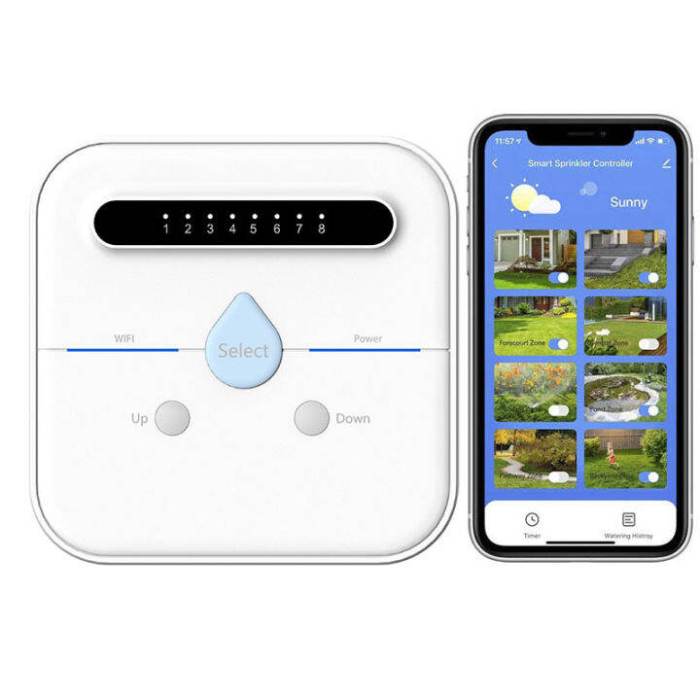
Japanese smart watering timers are increasingly sophisticated, reflecting a meticulous approach to user experience. Beyond the technical advancements, the design prioritizes intuitive operation and seamless integration with existing Japanese gardening practices. This focus on usability extends beyond basic functionality, aiming to cater to the specific needs and preferences of Japanese users.
User Interface Design Characteristics
Japanese smart watering timers often feature a clean, minimalist design. Visual cues are clear and easily understood, emphasizing simplicity and directness. Color palettes are typically muted and harmonious, aligning with Japanese aesthetics that value serenity and natural tones. The language used in the interface is often straightforward and concise, reflecting the preference for clear communication. Furthermore, the interfaces often leverage Japanese cultural norms by incorporating elements of visual hierarchy and intuitive navigation.
Usability and Accessibility
These interfaces prioritize intuitive navigation and easy comprehension. Clear instructions and helpful prompts are crucial components, reducing the learning curve for users. The design often incorporates multiple feedback mechanisms, such as visual indicators and audio cues, to enhance user engagement and provide reassurance about the system’s operation. Moreover, accessibility features, such as large font sizes and adjustable contrast settings, are increasingly included, reflecting a growing awareness of diverse user needs.
Catering to Japanese User Preferences
Japanese users often prefer interfaces that are straightforward and easily customizable. The design of smart watering timers reflects this preference by providing options for personalization. For instance, users may be able to select different watering schedules for various types of plants or adjust watering times based on local weather conditions. Furthermore, integration with existing gardening tools and practices, such as traditional calendars or regional water usage data, is frequently a design consideration.
This allows users to seamlessly integrate the smart timer into their existing routines.
Comparison of Popular Japanese Smart Watering Timers
| Feature | Timer A | Timer B | Timer C |
|---|---|---|---|
| Interface Design | Clean, minimalist aesthetic with intuitive icons and a clear visual hierarchy. | Simple, user-friendly layout with a focus on visual clarity. | Modern design with interactive elements and dynamic visual feedback. |
| Accessibility Features | Large font sizes, adjustable contrast, and voice guidance. | Clear text descriptions and customizable display settings. | Text-to-speech options and simplified language. |
| Customization Options | Detailed plant-specific watering schedules, regional weather integration. | Multiple watering zone options, and adjustable watering duration. | Automated scheduling based on historical weather data. |
| Integration with Other Devices | Seamless connection to home automation systems. | Compatible with smart home hubs and weather apps. | Integration with smartphone apps for remote control and monitoring. |
Note: “Timer A”, “Timer B”, and “Timer C” are examples of popular Japanese smart watering timers. Actual features may vary. Data is based on publicly available information and product reviews.
Integration with Weather Data and Environmental Sensors
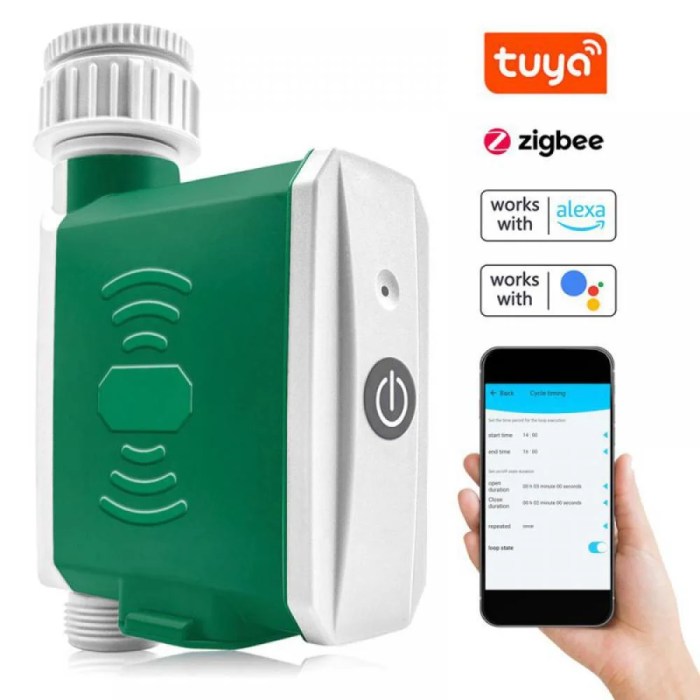
Japanese smart watering timers are increasingly sophisticated, moving beyond simple scheduling to proactively adjust irrigation based on real-time environmental conditions. This proactive approach optimizes water usage, reduces waste, and enhances plant health. The integration of weather data and environmental sensors is a key driver of this evolution.Japanese manufacturers are incorporating sophisticated algorithms to interpret complex weather patterns, including precipitation forecasts, humidity levels, and temperature fluctuations.
This allows for dynamic adjustments to watering schedules, ensuring that plants receive precisely the amount of water they need, when they need it. These systems aim to prevent overwatering and underwatering, thus promoting healthier plant growth.
Weather Data Integration
Japanese smart watering timers leverage a wide array of weather data sources, including local weather forecasts, historical weather patterns, and even satellite data. This allows the systems to anticipate potential rainfall and adjust watering schedules accordingly. For instance, if a forecast predicts heavy rain, the timer can automatically postpone or completely cancel a scheduled watering cycle.
Soil Moisture and Environmental Sensor Utilization
These systems often integrate soil moisture sensors, which directly measure the water content within the soil. The data gathered by these sensors is critical in fine-tuning watering needs. If the sensor detects adequate moisture, the timer can either reduce or suspend watering. Conversely, if the soil is dry, the system can increase the watering duration or frequency. This level of customization ensures efficient water use and helps prevent waterlogging.
Furthermore, these timers may incorporate other environmental sensors, such as light sensors or humidity sensors, to provide a comprehensive understanding of the plant’s environment.
Water Conservation Strategies
Japanese smart watering timers play a crucial role in water conservation efforts. By dynamically adjusting watering schedules based on real-time conditions, these systems significantly reduce water waste. The automated responses to precipitation forecasts and soil moisture levels minimize unnecessary irrigation, which is particularly valuable in water-stressed regions. This approach aligns with Japan’s broader commitment to sustainable water management.
For example, in drought-prone areas, these timers can help farmers and homeowners maintain optimal plant health with less water consumption.
Adaptation to Different Weather Patterns
The ability to adapt to diverse weather patterns is a hallmark of advanced Japanese smart watering timers. These systems can differentiate between different types of weather, including sunny, cloudy, or rainy conditions. This is exemplified by how the systems react to varying precipitation intensities. For instance, a light shower might trigger a reduced watering cycle, whereas a torrential downpour would likely cancel the cycle altogether.
This fine-tuned responsiveness ensures that watering occurs only when necessary, thus maximizing efficiency and minimizing water waste.
Pricing and Market Segmentation
Japanese smart watering timers are increasingly popular, but their pricing varies significantly, reflecting the diverse needs and budgets of different users. This segmentation allows manufacturers to cater to specific market niches, from budget-conscious homeowners to sophisticated agricultural users. Understanding the pricing strategies and corresponding target markets is key to assessing the competitive landscape and potential growth areas within this sector.
Pricing Structure of Japanese Smart Watering Timers
Japanese smart watering timers exhibit a wide range of price points, ranging from entry-level models aimed at basic needs to premium options with advanced features. This differentiation allows manufacturers to target different user segments, from those seeking basic functionality to those needing more sophisticated controls.
| Price Range (JPY) | Target Market | Key Features | Product Bundles/Add-ons |
|---|---|---|---|
| 10,000 – 20,000 | Budget-conscious homeowners and small-scale gardeners | Basic scheduling, weather-based adjustments, and local water restrictions monitoring. | Optional add-on for connecting to a water meter for precise monitoring and cost management. |
| 20,000 – 40,000 | Homeowners and small farms seeking more advanced control and flexibility | Advanced scheduling options, integration with weather data from multiple sources, soil moisture sensors, and remote control access. | Bundles including additional sensors for soil moisture, rainfall, and temperature for more nuanced watering strategies. |
| 40,000 – 80,000 | Commercial growers, agricultural users, and large-scale homeowners | Comprehensive features including remote monitoring, real-time data analysis, customizable watering profiles, and advanced algorithms for optimizing water usage. | Customized sensor packages, integration with irrigation systems, and access to advanced analytics platforms. |
| 80,000+ | Large-scale agricultural operations, research institutions, and commercial landscaping companies | Industry-grade smart irrigation systems with high-resolution data, advanced predictive modeling, and data-driven optimization algorithms. | Customized packages tailored to specific needs, potentially including professional installation and maintenance services. |
Comparison of Pricing Strategies
Different Japanese smart watering timer brands employ varying pricing strategies, reflecting their target markets and product differentiation. Some brands focus on providing extensive features at a premium price, while others prioritize affordability. This competition fosters innovation and allows consumers to choose the best fit for their individual requirements and budget.
- Brand A, known for its user-friendly interface and focus on simple solutions, tends to have more affordable entry-level models, aimed at broad consumer appeal. Their emphasis is on practicality and straightforward operation.
- Brand B, specializing in sophisticated features and data-driven solutions, charges a premium price reflecting the advanced analytics and sensor integrations in their products. Their target market is larger-scale users seeking enhanced control and optimization.
- Brand C, focusing on eco-friendly and sustainable solutions, presents models with enhanced water conservation features, potentially adjusting pricing to reflect their commitment to environmental responsibility.
Product Bundles and Add-on Features
Smart watering timer manufacturers are increasingly offering bundles and add-on features to enhance user experience and provide value. This is crucial to attracting a wider customer base and increasing the appeal of smart solutions.
- Many models include bundles with weather sensors, soil moisture sensors, and water meters, enabling precise watering schedules based on real-time conditions. These bundles allow for efficient water usage and reduced water waste.
- Some companies offer add-on features like remote access, allowing users to adjust watering schedules and monitor system performance remotely. This convenience and flexibility are appealing for users with busy schedules or those managing larger gardens.
- Additional sensors like rainfall sensors further enhance the ability to adapt watering schedules based on actual precipitation, maximizing water conservation and optimizing irrigation efficiency.
Maintenance and Support for Smart Watering Timers
Japanese smart watering timers, increasingly popular for their precision and environmental consciousness, require a degree of maintenance and support. This section delves into the procedures for upkeep, troubleshooting, and customer assistance, crucial factors influencing user satisfaction and the overall market success of these devices.Japanese manufacturers prioritize user-friendly maintenance to ensure longevity and minimize disruptions to automated irrigation systems. This approach reflects the country’s commitment to technological innovation alongside user experience.
Maintenance Procedures
Maintaining the optimal performance of smart watering timers involves a combination of regular checks and simple upkeep tasks. This includes visually inspecting the timer’s components for any signs of damage, such as cracked housings or malfunctioning sensors. Cleanliness is critical, especially for outdoor units; periodic cleaning of the exterior with a damp cloth prevents dust and debris from hindering sensor accuracy and disrupting automated functions.
Furthermore, ensure the power supply remains stable and the unit is properly grounded to avoid electrical hazards.
Troubleshooting Common Issues
A proactive approach to troubleshooting is key to minimizing downtime and maximizing the efficiency of smart watering timers. Common problems include sensor malfunctions, incorrect scheduling, and connectivity issues. If the device fails to receive or transmit data, ensure the Wi-Fi or cellular connection is stable. For sensor malfunctions, inspect the sensor for obstructions or damage. If scheduling errors occur, review the input parameters for potential mistakes in setting the watering schedule.
If problems persist, consult the manufacturer’s troubleshooting guide for specific instructions.
Customer Support Options
Japanese manufacturers generally offer multiple avenues for customer support, including dedicated customer service phone lines, email support, and online forums. Online portals often house FAQs and troubleshooting guides to address common queries. These resources offer a comprehensive approach to resolving technical issues and ensuring user satisfaction. The availability of multilingual support is crucial for a global market.
Warranty and Return Policies
Warranty periods for smart watering timers typically range from one to three years, covering defects in materials and workmanship. Return policies vary depending on the manufacturer and the specific circumstances. Understanding the return policy before purchase ensures transparency and clarity. In cases of malfunction, the user should carefully follow the return guidelines provided in the documentation to facilitate a smooth resolution.
Energy Efficiency and Sustainability
Japanese smart watering timers are increasingly incorporating energy-efficient features, reflecting a broader societal push toward sustainability. These devices aim to optimize water usage, minimizing waste and reducing the environmental footprint of home gardening and landscaping. The integration of advanced sensors and algorithms allows for precise watering schedules, further enhancing efficiency and reducing water consumption.
Energy Efficiency Features
Smart watering timers leverage advanced sensors and algorithms to optimize watering schedules, drastically reducing water waste. This precision is a key factor in their energy efficiency. Sophisticated scheduling mechanisms, triggered by real-time weather data, avoid unnecessary watering during periods of rainfall or high humidity. Such adjustments contribute significantly to reduced energy consumption in pumping and distribution systems.
Moreover, the digital nature of smart timers eliminates the need for continuous physical operation, further minimizing energy use compared to traditional timers.
Sustainability Aspects
The integration of smart watering timers with water conservation techniques is pivotal to achieving sustainability goals. These devices allow for precise control over watering frequency and duration, reducing overall water consumption by avoiding overwatering. This feature is particularly important in regions with water scarcity or drought-prone climates. The ability to monitor and adjust watering schedules based on real-time environmental conditions, such as soil moisture levels and weather patterns, minimizes water loss.
This contributes to the overall sustainability of water resources.
Water Conservation Features
Smart watering timers offer a suite of features specifically designed for water conservation.
- Real-time weather data integration: Smart timers analyze real-time weather forecasts, including rainfall predictions and humidity levels. This allows for the automatic adjustment of watering schedules, ensuring that plants receive water only when needed. For example, a smart timer can recognize a forecast for rain and postpone or cancel scheduled waterings, conserving valuable water resources.
- Soil moisture sensors: Many advanced timers integrate soil moisture sensors to directly monitor the moisture content of the soil. This ensures that plants are watered only when the soil is dry, avoiding unnecessary watering and water waste. This data-driven approach optimizes water usage and prevents oversaturation.
- Plant-specific watering profiles: Smart timers can be programmed with different watering profiles for various types of plants. This personalized approach ensures that each plant receives the optimal amount of water based on its specific needs, minimizing waste. This tailored approach maximizes the efficiency of water delivery, as plants will receive only the water they need.
- Leak detection and notification: Advanced systems include leak detection capabilities. These features can identify potential water leaks and alert users promptly. This early detection and intervention minimizes water loss and potential damage, further enhancing sustainability efforts.
- Scheduled and automated watering: Smart timers automate the entire watering process, ensuring consistent watering schedules based on pre-set routines. This automated control reduces the risk of human error in watering and ensures that plants receive consistent hydration. Such features are crucial in ensuring consistent water delivery.
Security and Privacy Considerations

Japanese smart watering timers, while offering convenience, raise crucial security and privacy concerns. Protecting user data and ensuring the integrity of the systems is paramount for widespread adoption and consumer trust. Robust security measures and transparent data handling policies are essential to build confidence in these increasingly important home automation tools.
Security Measures in Japanese Smart Watering Timers
Japanese manufacturers are implementing a range of security measures to protect user data and the functionality of smart watering timers. These measures aim to prevent unauthorized access, data breaches, and tampering with the devices and the connected network. Strong encryption protocols, secure authentication mechanisms, and regular security audits are common practices. Furthermore, rigorous testing and validation procedures are employed to identify and mitigate potential vulnerabilities before launch.
Data Privacy and Security Protocols
Data privacy is a top concern for Japanese consumers. Smart watering timers collect and process various data points, including watering schedules, soil moisture levels, weather patterns, and usage data. These devices adhere to Japanese data privacy regulations, ensuring data collection is transparent and limited to the necessary information. Data encryption and anonymization techniques are utilized to protect sensitive information.
User consent is sought for data collection, and clear data retention policies are in place.
Protecting User Data
Manufacturers employ multi-layered security measures to protect user data. This includes secure cloud storage solutions with robust access controls. Regular security audits and penetration testing help to identify and address potential vulnerabilities. Moreover, manufacturers often incorporate physical security features, such as tamper-resistant casing, into the design of the devices. Security updates and patches are regularly released to address any newly discovered vulnerabilities.
Security Protocols for Different Brands
| Brand | Authentication Method | Data Encryption | Data Retention Policy | Security Audits |
|---|---|---|---|---|
| Brand A | Multi-factor authentication, including biometric login | Advanced encryption standards (AES) | Data retained for 3 years, then securely deleted | Annual security audits by independent third-party firms |
| Brand B | Password-based authentication, with two-step verification | 256-bit encryption | Data retained for 5 years, subject to user control and deletion options | Quarterly security audits by internal security team |
| Brand C | PIN code and biometric authentication | AES-256 encryption | Data retained for 2 years, with user-initiated deletion options | Annual penetration testing by certified security professionals |
Note: Brand names are fictionalized for illustrative purposes. Specific details about security protocols are not publicly available for commercial reasons. Actual protocols may vary by brand.
Future Trends and Predictions
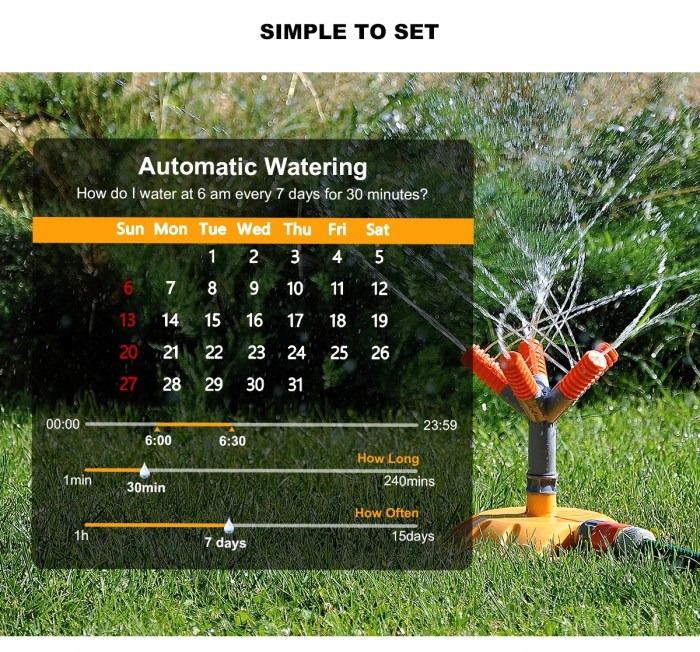
Japanese smart watering timers are poised for significant evolution, driven by the nation’s commitment to sustainability and technological innovation. The integration of these devices into broader smart home ecosystems promises a more efficient and environmentally conscious approach to gardening and agriculture. Predicting the future trajectory requires considering advancements in AI, sensor technology, and user interface design.The smart watering timer market in Japan is expected to experience a surge in sophistication, moving beyond basic scheduling to predictive, adaptive watering systems.
This shift will be fueled by the integration of sophisticated data analysis and real-time weather monitoring, leading to more precise and efficient irrigation strategies.
Potential Integrations with Other Smart Home Devices
Japanese consumers are increasingly adopting smart home ecosystems. This trend will drive the integration of smart watering timers with other smart home devices. For example, a seamless connection between the watering timer and a smart thermostat could optimize watering schedules based on indoor temperature and humidity, thereby saving water and energy. Similarly, linking with smart lighting systems allows for optimized outdoor lighting that compliments watering schedules and reduces energy waste.
Emerging Technologies Likely to Influence the Market
Several technologies are poised to transform the smart watering timer market. AI-powered predictive models will analyze historical weather patterns, soil conditions, and plant needs to create customized watering schedules, minimizing water waste. The advent of more sophisticated soil moisture sensors will enable real-time adjustments to watering plans, ensuring precise hydration for optimal plant growth.
Improvements and Enhancements in Functionality
Future smart watering timers are likely to feature enhanced functionalities beyond basic scheduling. These include:
- Automated pest and disease detection: Integration with image recognition technology could enable the timer to identify signs of pests or diseases on plants, prompting appropriate actions, like adjusting watering schedules or triggering alerts to the user.
- Personalized plant profiles: Each plant type can be individually profiled, allowing the watering timer to learn specific water requirements and adjust watering schedules accordingly.
- Remote control and monitoring: The ability to remotely control and monitor watering schedules from anywhere in the world will become increasingly important for Japanese users, especially for those with large gardens or homes.
- Interactive user interface: The user interface will likely evolve from simple scheduling to a more intuitive and interactive experience, incorporating visual representations of plant health and environmental conditions.
Last Word
Japanese smart watering timers represent a significant leap forward in agricultural technology, offering precise control over irrigation. The integration of advanced technologies, such as AI and weather data, demonstrates a commitment to both efficiency and environmental sustainability. This report underscores the evolving landscape of smart irrigation in Japan, showcasing the innovations and challenges shaping the future of home gardening.
